This guide covers the cacao farm tour at La Loma Jungle Lodge, a boutique eco lodge on Isla Bastimentos in Bocas del Toro, Panama. You’ll learn what makes the working permaculture and cacao farm a highlight of every stay, what to expect on the tour, how cacao is processed from the pod, and how the Ngäbe-Buglé partnership shapes the work on this land today.
A cacao pod splits open in your hands, and the white pulp inside catches the morning light. It smells bright and floral, nothing like the chocolate it will eventually become. Above you, a capuchin monkey moves through the jungle canopy, drawn by the same harvest.
Chocolate is one of the most eaten foods on earth, but very few who love it have ever stood on the land where it grows, split a pod with their own hands, or tasted the fresh pulp that surrounds the beans.
La Loma is a boutique eco lodge set on a 55-acre rainforest reserve on Isla Bastimentos, accessible only by boat from Bocas Town and surrounded by a working permaculture and cacao farm tended in partnership with the local Ngäbe-Buglé community.
The Chocolate Farm Tour is a highlight of any stay at La Loma Jungle Lodge, where open-air bungalows tucked into the jungle canopy, farm-to-table meals drawn from the land around you, and mornings that begin in the heart of the rainforest set the scene for a once-in-a-lifetime stay in the Panamanian Caribbean.
Table of Contents
-
-
- Bocas del Toro’s Cacao Country
- Inside a Working Chocolate Farm in Bocas del Toro
- How Cacao Is Processed at La Loma
- The Ngäbe-Buglé Community Behind La Loma’s Cacao
- What to Expect on La Loma’s Cacao Farm Tour
- Farm-to-Table Dining at La Loma
- Stay Inside the Chocolate Farm with the Cacao Farm House and Suite
- How to Get to La Loma for Your Cacao Tour in Bocas del Toro
- Frequently Asked Questions About La Loma’s Chocolate Farm Tour
-
Bocas del Toro’s Cacao Country
Where La Loma Is Located in Bocas del Toro
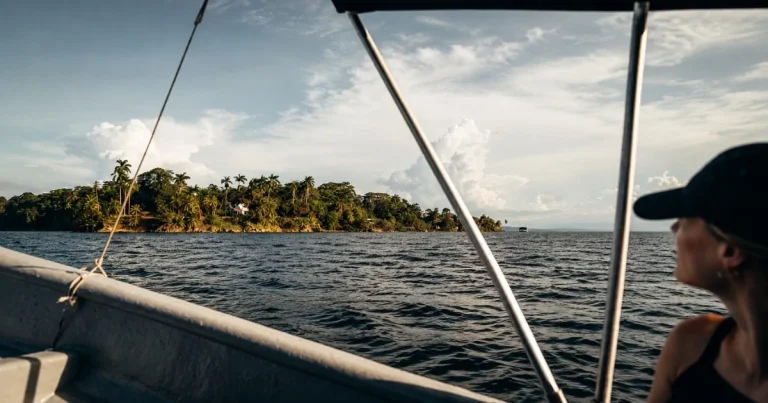
La Loma Jungle Lodge is a boutique eco lodge and working cacao farm on Isla Bastimentos in Bocas del Toro, Panama, accessible only by boat. The lodge is located within an archipelago best known for its beaches and coral reefs, but the real story of this part of Panama grows further inland, under the canopy of its tropical rainforests.
Isla Bastimentos is the largest island in the Bocas del Toro province, and one of the least developed. The interior is dense jungle, rising on hillsides above bays that open to the Caribbean.
A Tropical Rainforest Built for Cacao
Bocas del Toro’s combination of Caribbean humidity, rich soil, and the shade of the jungle canopy creates ideal growing conditions for Theobroma cacao, the tree whose seeds become chocolate. Here it thrives without synthetic pesticides or fertilizers.
Cacao has deep roots in this region that predate any lodge or tour. The Ngäbe-Buglé people, Panama’s largest indigenous group, have cultivated and consumed cacao across Bocas del Toro for generations, long before the archipelago became a travel destination.
55 Acres of Permaculture, Flora, and Fauna
La Loma Jungle Lodge sits on 55 acres of private, protected rainforest reserve, with cacao at the center of a working permaculture system. The plantation operates as a working permaculture farm, tended daily, where the cacao grows alongside tropical fruits, local plants, and the wildlife that has always called this canopy home.
Inside a Working Chocolate Farm in Bocas del Toro
At La Loma Jungle Lodge, cacao begins on a 15-foot tree growing under the rainforest canopy, inside a pod the size of a large mango.
Most large-scale chocolate brands rely on industrial processing and cacao sourced from monoculture plantations around the world. La Loma’s 55-acre permaculture farm works on a different scale entirely.
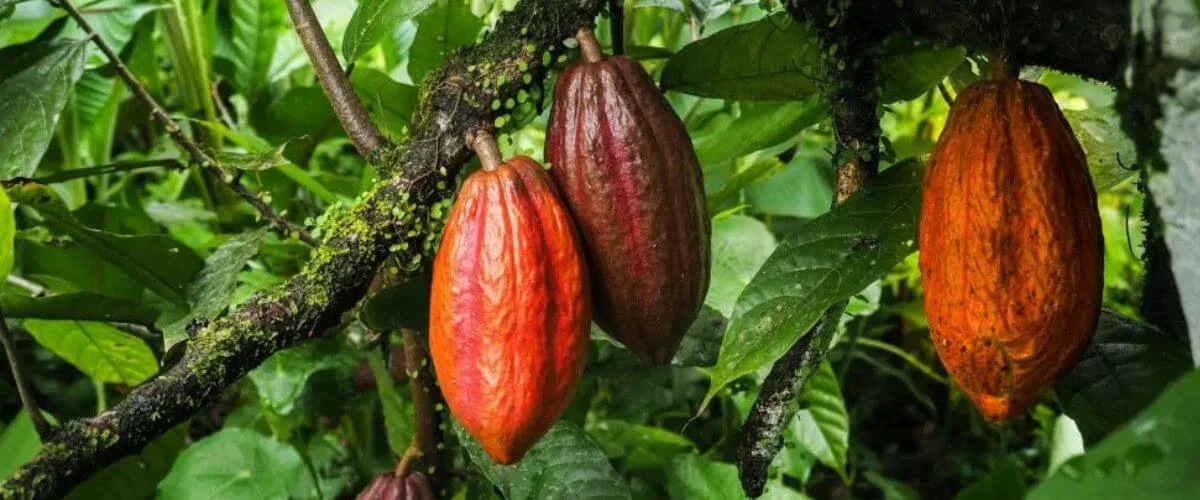
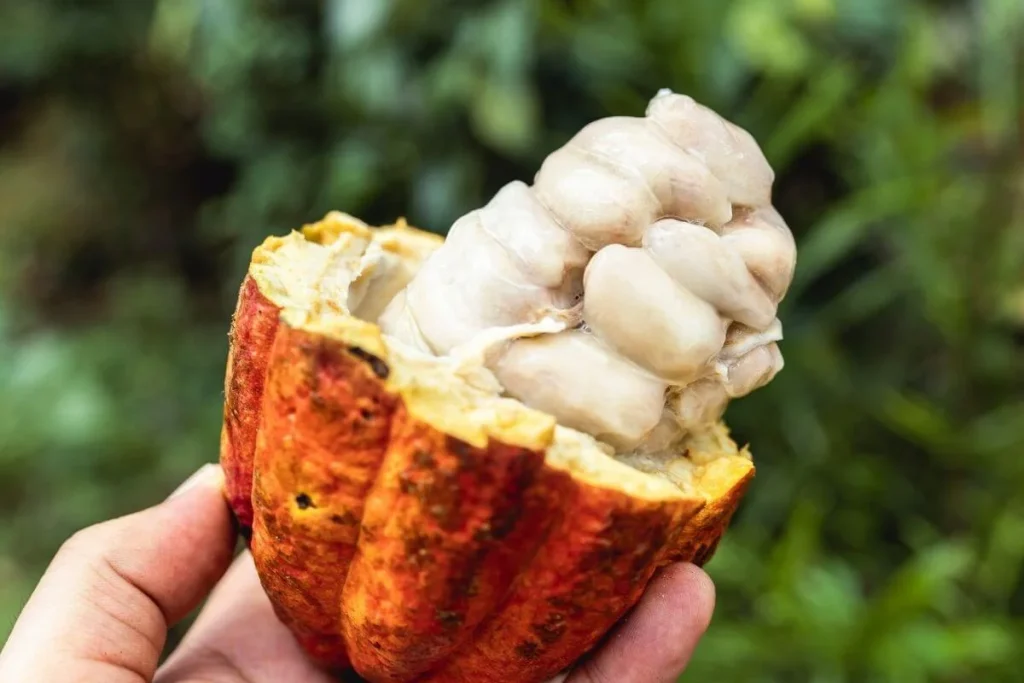
The trees produce football-shaped pods directly from their trunks, a botanical phenomenon called cauliflory, in shades of yellow, red, and deep burgundy depending on variety and ripeness. Each pod holds between 20 and 50 beans, buried in a sweet white pulp that guests taste on the farm tour.
What Flora and Fauna Can You Find on a Cacao Farm?
The flora and fauna at La Loma’s cacao farm include towering canopy trees, tropical fruits, local medicinal plants, and a wide range of rainforest wildlife, all coexisting with the cacao itself.
Towering trees form the canopy above, cacao fills the middle layer, and at ground level, local plants, tropical fruits, and wild vegetation complete the ecosystem. The whole system is grown entirely free of pesticides and fertilizers, the way permaculture farming was always intended to work.
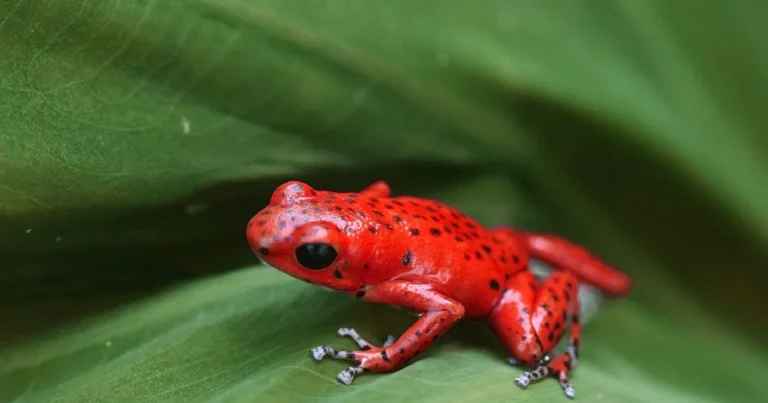
The wildlife woven through this space is part of what makes it work. White-faced capuchin monkeys move through the groves during the day, drawn to ripe pods. Poison dart frogs navigate the undergrowth. Sloths rest in the upper canopy, and a variety of birds pass through the grove throughout the day. After dark, nocturnal residents like the Panamanian night monkey become active in the canopy.
This is the environment where La Loma’s cacao is grown: a working tropical rainforest farm where the biodiversity surrounding the crop is the growing condition itself.
From Pod to Kitchen: How Cacao Is Processed at La Loma
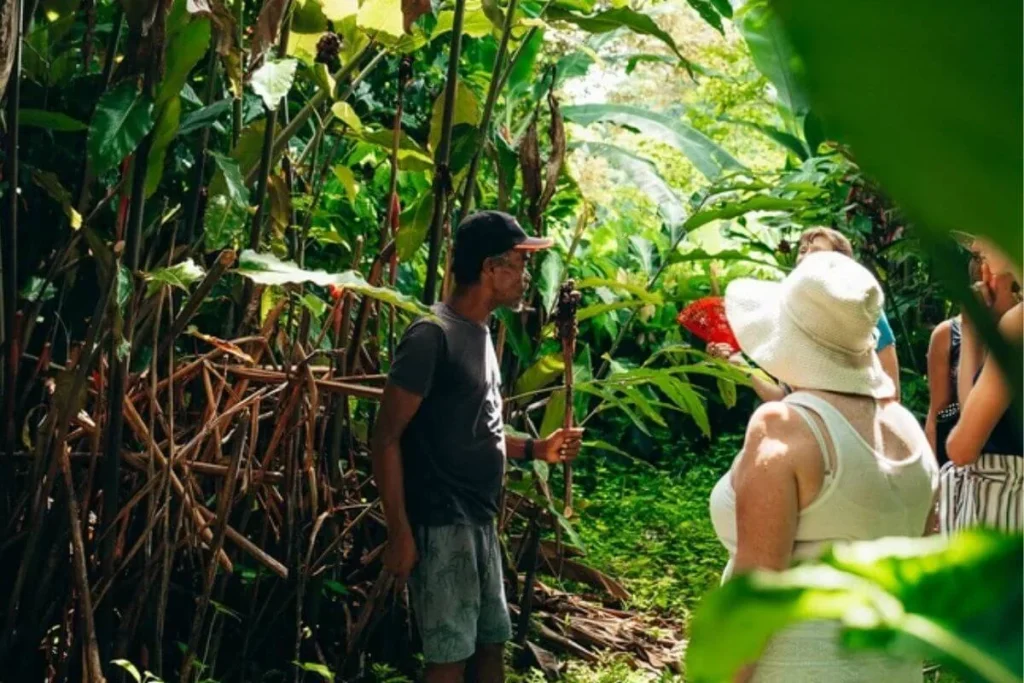
At La Loma, the journey from pod to raw cacao happens on the farm in Bocas del Toro. Each stage of the process is demonstrated firsthand on the cacao farm tour, so guests can see exactly how a freshly cut pod becomes raw cacao.
Harvest, Fermentation, and Drying
Cacao production begins with harvest. Ripe pods are identified by color: a yellow, orange, or deep red skin signals readiness, while green pods still have weeks ahead of them. A clean cut with a machete separates the pod from the trunk. Inside, twenty to fifty white, pulp-covered beans sit in rows, smelling bright and fruity, nothing like chocolate yet. The pulp itself is sweet and floral, closer to lychee than anything resembling a chocolate bar. This is cacao fruit in its rawest form.
The beans and their pulp are then transferred to wooden fermentation boxes, where they rest for five to seven days. The sugars in the pulp break down, generating heat and triggering chemical changes inside each bean that develop the complex flavor compounds chocolate is known for. Fermentation is the step that makes chocolate possible. Skip it, and cacao beans produce nothing worth eating.
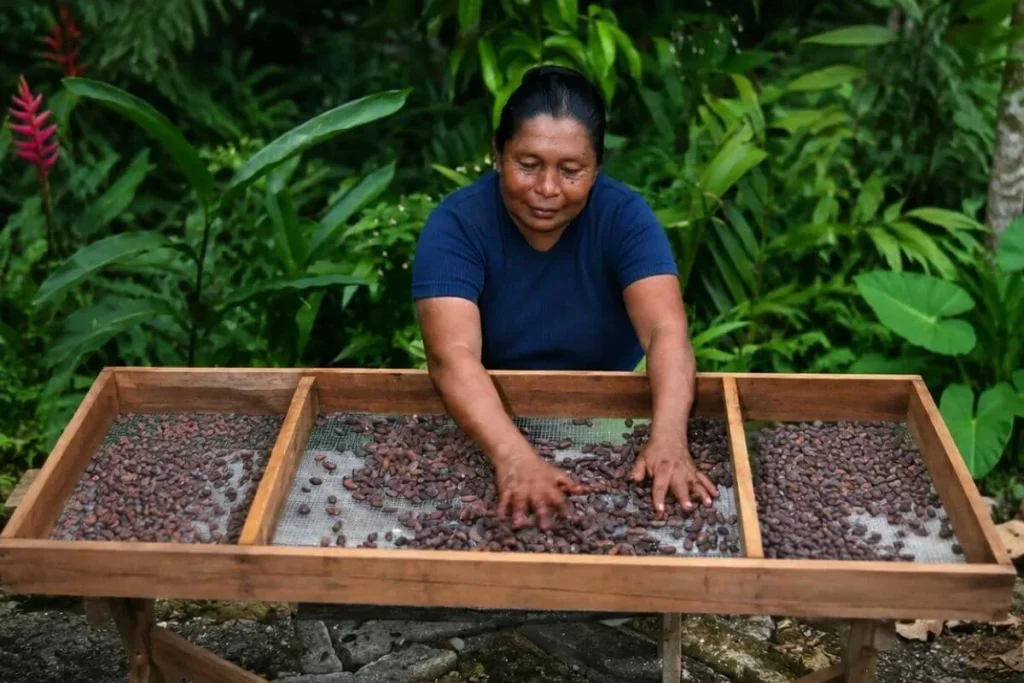
After fermentation, the beans spread across raised drying beds and rest in the sun for months. Moisture drops, flavors concentrate, and the beans shift from raw, fermented ingredients to dried cacao, ready for roasting.
Roasting, Grinding, and Cacao Mass
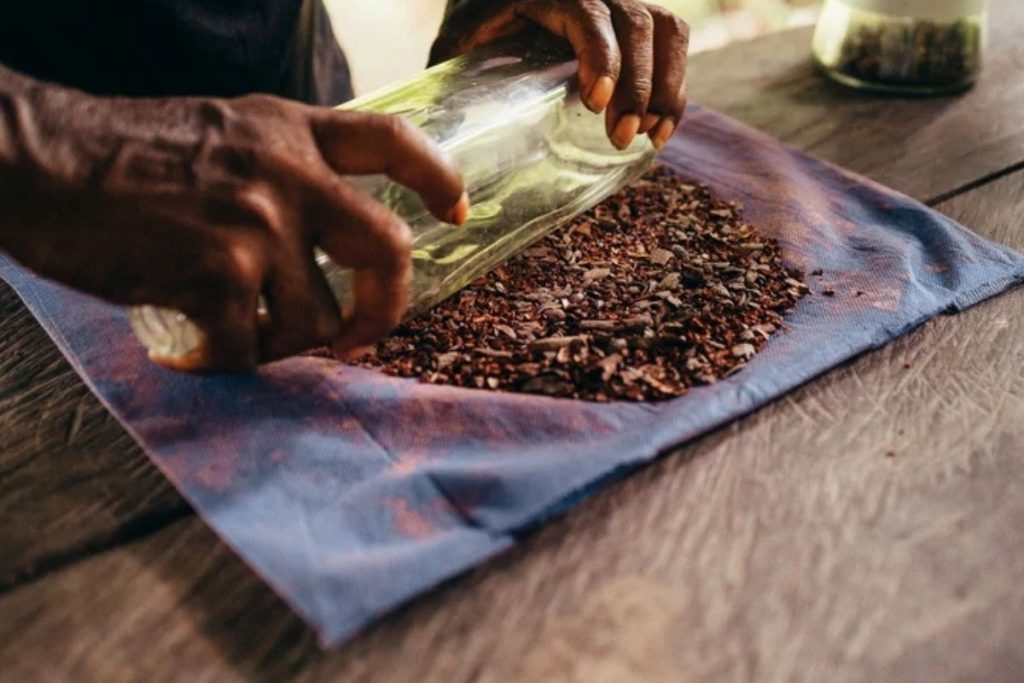
Roasting is where the aroma finally arrives. Heat unlocks the volatile compounds built up during fermentation, and the farm fills with a smell that is unmistakably, at last, chocolate. Once roasted, the outer husk is removed through winnowing, separating the usable cacao nib from its shell and leaving behind the pure ingredient from which all chocolate is made. The nibs are ground into a smooth liquid called cacao mass, pure ground cacao with nothing added.
The Ngäbe Partnership: The People Behind the Cacao
The cacao at La Loma Jungle Lodge is grown in partnership with the Ngäbe-Buglé community of Bahía Honda, Panama’s largest indigenous group, who have cultivated cacao across the Bocas del Toro archipelago for generations. Their relationship with this crop predates the modern chocolate industry by centuries.
La Loma Jungle Lodge is located within the Bahía Honda community on Isla Bastimentos, and that proximity has shaped the lodge from its earliest days. La Loma employs and collaborates with local Ngäbe-Buglé families in a partnership rooted in the land that both communities share.
Local guides from Bahía Honda lead the cacao farm tour with deep knowledge of the land and crop. Their understanding of the ecosystem is grounded in a cultural relationship with cacao that stretches back long before La Loma existed.
For guests, this partnership surfaces throughout the stay: in the tour itself, in conversations over meals, in the daily rhythm of a lodge genuinely woven into the community around it. This community integration supports La Loma’s permaculture practices and the long-term stewardship of the land the farm depends on.
What to Expect on La Loma’s Cacao Farm Tour
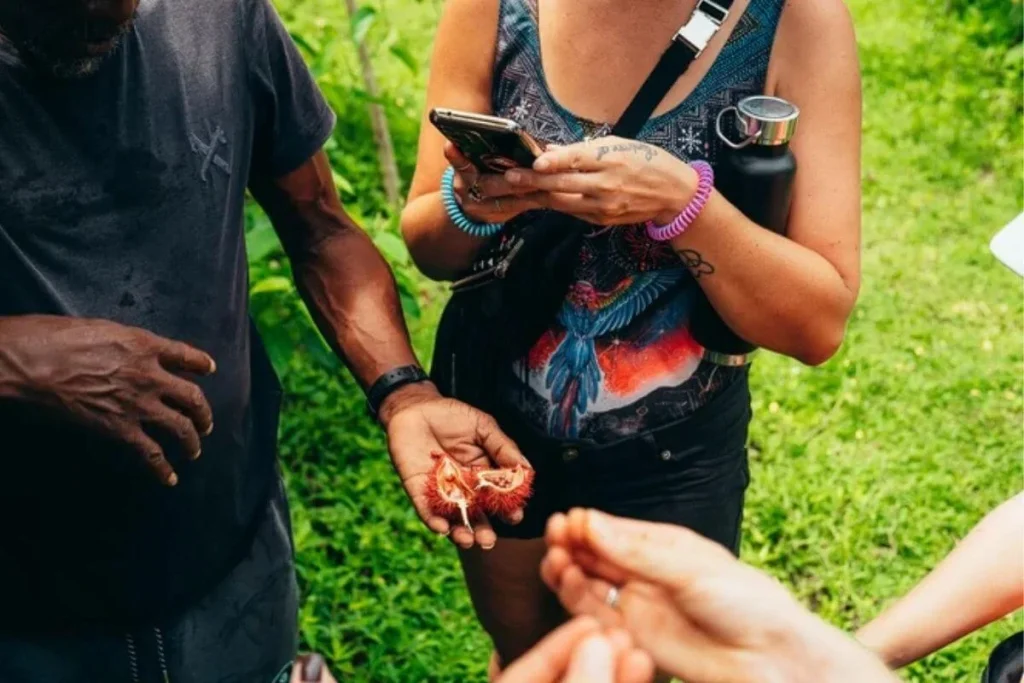
The cacao farm tour is a signature experience at La Loma Jungle Lodge, included in every stay and open to day visitors with advance booking. Tours run in the morning with a farm-sourced lunch included, and are led by guides from the Bahía Honda community with deep, hands-on knowledge of this land.
The tour is interactive throughout. Guests split open cacao pods with their own hands, taste the sweet white pulp surrounding the raw beans, and observe fermentation, drying, roasting, and grinding demonstrations before tasting cacao.
La Loma’s permaculture cacao, grown without synthetic pesticides or fertilizers, has a layered, complex flavor that comes directly from the soil and the ecosystem it grew in.
Practical details: wear closed shoes, bring water and insect repellent, and book at least 24 hours in advance.
Why the Tour Is Best Experienced as Part of a Stay at La Loma
The cacao farm tour is most rewarding as part of a stay at La Loma, when the plantation becomes the setting for an entire experience rather than the destination of a single morning. For guests of La Loma, the plantation is the view from the bungalow, the source of dinner, and the first thing you see at dawn. The cacao farm tour is one part of a larger stay built around the rhythm of a working permaculture farm in one of the most biodiverse corners of the Panamanian Caribbean.
The cacao farm tour is included in every stay at La Loma Jungle Lodge. Day visitors are welcome to join with advance booking.
Farm-to-Table Dining at La Loma
Farm-to-table dining at La Loma is built around the daily harvest from the on-site permaculture farm, with a menu that shifts each day based on what is ready, what is at its peak, and what the land is offering that week. Guests get their first taste of this at the end of every cacao farm tour, when a farm-sourced lunch is served featuring fresh produce from the same grove they just walked through.
For guests of the lodge, this rhythm continues across every meal. The style is tropical fusion, drawing on local and farm-grown ingredients rather than a fixed cuisine. Cacao moves through the menu in forms that go well beyond dessert.
From 5pm, the bar opens with two daily cocktails crafted from specialty ingredients grown on the farm. It’s a natural entry point into the evening, the flavors of the land in a glass, before a three-course dinner that follows the same philosophy.
Explore La Loma’s dining experience
Stay Inside the Chocolate Farm with the Cacao Farm House and Suite
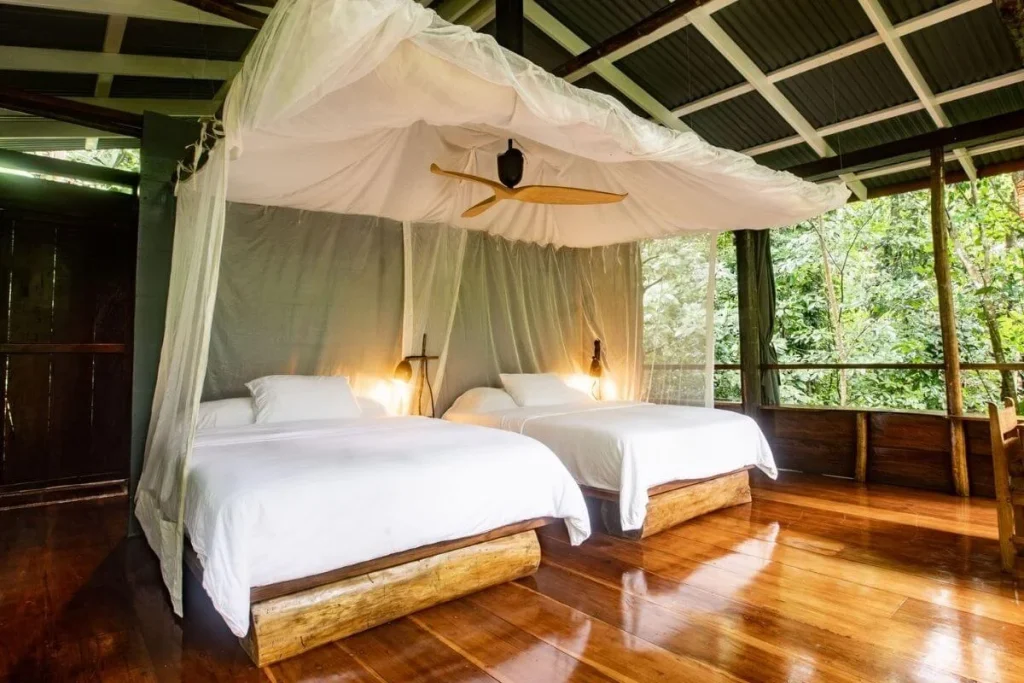
La Loma offers two accommodations set directly within the cacao farm: the Cacao Farm House and the Cacao Farm Suite. Designed with the same open-air philosophy as the rest of the lodge, both place guests at the heart of the plantation rather than at its edge.
You wake to birdsong before any alarm has a chance. The light through the canopy arrives in layers, first pale, then gold, filtering through cacao leaves before it reaches the bungalow. Step outside and you are standing inside the plantation. The trees you walked through on the tour yesterday are the same ones surrounding you now.
For travelers who want their stay to be as connected to the land as possible, these two options offer something the other bungalows cannot: waking up inside a working cacao farm on Isla Bastimentos, in one of the most biodiverse corners of the Panamanian Caribbean.
How to Get to La Loma for Your Cacao Tour in Bocas del Toro
La Loma Jungle Lodge is located on Isla Bastimentos in Bocas del Toro, Panama, and is accessible only by boat, which is part of what makes it feel so removed from the pace of everyday life.
Most guests fly into Tocumen International Airport in Panama City, then connect via domestic Air Panama flight to Bocas Town on Isla Colón. From Bocas Town, a short boat transfer brings you across the water to La Loma’s private dock. The lodge coordinates arrival logistics with guests directly, making the final leg of the journey straightforward.
Frequently Asked Questions About La Loma’s Chocolate Farm Tour
1. Where is La Loma’s cacao farm located?
La Loma Jungle Lodge’s cacao farm is located on Isla Bastimentos in the Bocas del Toro archipelago of Panama. The farm sits on a 55-acre rainforest reserve and is accessible only by boat from Bocas Town.
2. Can you stay on a cacao farm in Panama?
La Loma Jungle Lodge is one of the only places in Panama where guests can stay on a working cacao farm. The Cacao Farm House and Cacao Farm Suite are both set directly within the plantation on Isla Bastimentos, Bocas del Toro.
3. Is La Loma’s cacao farm tour open to day visitors?
Yes. The cacao farm tour at La Loma Jungle Lodge is open to both lodge guests and day visitors. Advance booking of at least 24 hours is required. The tour includes a farm-sourced lunch and is suitable for ages 8 and up.
4. What makes La Loma’s cacao different from commercial chocolate?
Unlike mass-produced chocolate, La Loma’s cacao is grown and processed on a permaculture farm within a biodiverse rainforest ecosystem on Isla Bastimentos.
5. When is rainy season in Bocas del Toro?
There is no true rainy season in Bocas del Toro. Bocas has a warm, tropical climate year-round with sunshine and rain throughout. November and July tend to be the wetter months, but no time of year is defined by rain alone.
If it rains during your stay at La Loma, the open-air bungalows are designed to keep you and your belongings dry.
6. What does a cacao pod taste like?
Fresh cacao pods contain a sweet white pulp surrounding the raw beans that tastes floral and fruity, closer to lychee than chocolate. Guests on La Loma’s cacao farm tour taste this pulp directly from a freshly split pod during the tour.
7. What is the difference between cacao and cocoa?
Cacao refers to the raw, minimally processed form of the crop, including the pods, beans, nibs, and butter closest to their natural state. Cocoa typically refers to cacao that has been roasted and processed at higher temperatures, and is the form most commonly found in commercial chocolate making.
8. Is the cacao farm tour included in a stay at La Loma?
Yes. The cacao farm tour is included for all guests at La Loma Jungle Lodge as part of the all-inclusive stay. Day visitors are also welcome to join with advance booking.
9. Who grows the cacao at La Loma Jungle Lodge?
The cacao at La Loma Jungle Lodge is tended by staff in collaboration with the local Bahía Honda community, home to Ngäbe-Buglé families who have cultivated cacao across the Bocas del Toro region for generations.
10. What should I bring to a cacao farm tour in Bocas del Toro?
Wear closed shoes suitable for walking on jungle terrain, and bring water and insect repellent. A light layer is useful for early mornings on the farm. La Loma Jungle Lodge recommends booking the tour at least 24 hours in advance.
Experience La Loma’s Cacao Farm for Yourself
La Loma Jungle Lodge is a boutique eco lodge on Isla Bastimentos, Bocas del Toro, where a working cacao farm is one part of a larger experience built around open-air bungalows, farm-to-table dining, and the rhythm of the rainforest itself.
For guests staying at La Loma, the cacao farm appears throughout the stay, in the dessert at dinner, the trees outside the bungalow, and the conversations with the guides who tend it daily. The cacao farm tour is open to day visitors and lodge guests alike, with advance booking required.
Ready to experience La Loma for yourself? Book your stay at La Loma Jungle Lodge.